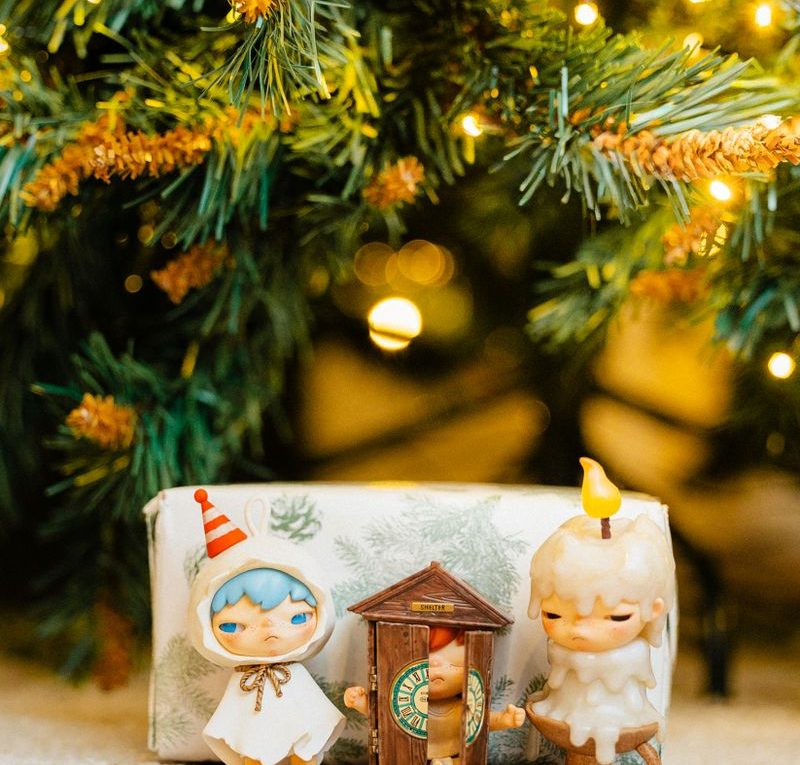
Blind Box Culture: From Asia to Global Phenomenon
Blind Box Culture: From Asia to Global Phenomenon
What started as a niche collecting trend in Asia has transformed into a global cultural force. Blind boxes have evolved beyond children’s toys into a lifestyle phenomenon spanning fashion, home decor, and pop culture. With collectible toys growing 32% globally last year and now accounting for nearly one in five toy sales, the blind box revolution is reshaping the entire toy industry.
Origins and Evolution
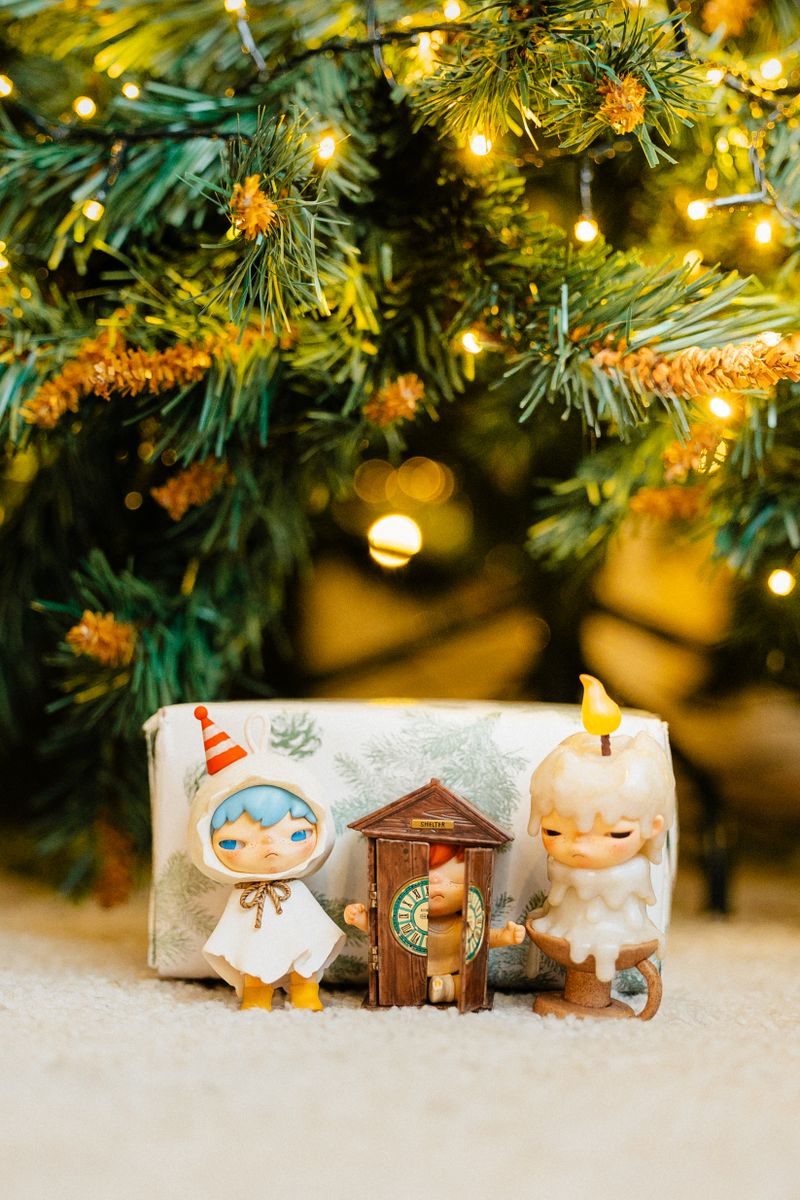
The blind box concept — sealed packages containing random figures from a series — originated in Asia, with brands like Pop Mart pioneering the format. The model adds gamification to collecting: consumers purchase sealed packages, never knowing which design they’ll get until they open it. Rare chase figures and secret designs drive repeat purchases and community engagement.
By 2025, global Labubu units topped 100 million, and Pop Mart’s total company revenue reached approximately $1.93 billion. The format has proven so successful that it now accounts for approximately 35% of total industry revenue, with particularly strong adoption in Asian markets.
Cross-IP Collaborations Drive Globalization
The next phase of blind box globalization is defined by cross-industry IP collaborations. Pop Mart’s partnership with FIFA for the 2026 World Cup brings blind box culture to unprecedented global audiences. The FIFA collection featuring Labubu represents a strategic move that leverages sports fandom to mainstream blind box collecting.
Similarly, the One Piece x Miniso launch in India demonstrates how beloved anime IP can educate emerging markets about collectible mechanics. These collaborations aren’t just about selling toys — they’re about market education, creating new generations of collectors in markets where collectible culture is still forming.
The Social Media Engine
Blind box culture is fueled by social media. Millions of unboxing videos across TikTok and Instagram have turned the reveal moment into shareable content. Collectors don’t just post photos — they share narratives about trading, hunting specific pieces, and the thrill of pulling dream figures. This transforms blind boxes from simple toys into social currency.
The community aspect is central to the trend’s staying power. Reddit communities, Discord servers, and convention meetups create bonds around shared passions. The unpredictability creates shared experiences — the collective groan at a duplicate, the celebration of a rare pull — that bind communities together.
New Brands Enter the Fray
Established brands aren’t the only ones benefiting from the boom. Maison Battat’s partnership with ToyCity brings collectible sensations Mr. Pa, Laura, and Monboo to Target stores across North America, with prices under $20. ZURU’s STARBOX brand launches three distinct collectible worlds, each offering a different take on surprise collecting.
BaiChaoHui enters this global market with its Zombie Party blind box series, which brings character-driven storytelling to the format. Unlike purely trend-driven products, BaiChaoHui’s approach taps into lasting emotional connections through its Lokiki character universe and the broader Tang Meng Street narrative.
The Future: Nostalgia Meets Innovation
Perhaps the most exciting trend is the fusion of blind box mechanics with nostalgic toy aesthetics. 80s and 90s collectibles — robot toys, retro designs, classic characters — are getting reimagined through the blind box lens. This convergence taps into lasting emotional connections that span demographics and generations, pointing to a sustainable future for the format.